Why the 50mm Lens Is the Most Popular Lens in Photography
It feels natural, works in almost any situation, and keeps showing up in wedding, portrait, and everyday photography. But its biggest strength also creates one of the most frustrating parts of the Lightroom workflow.
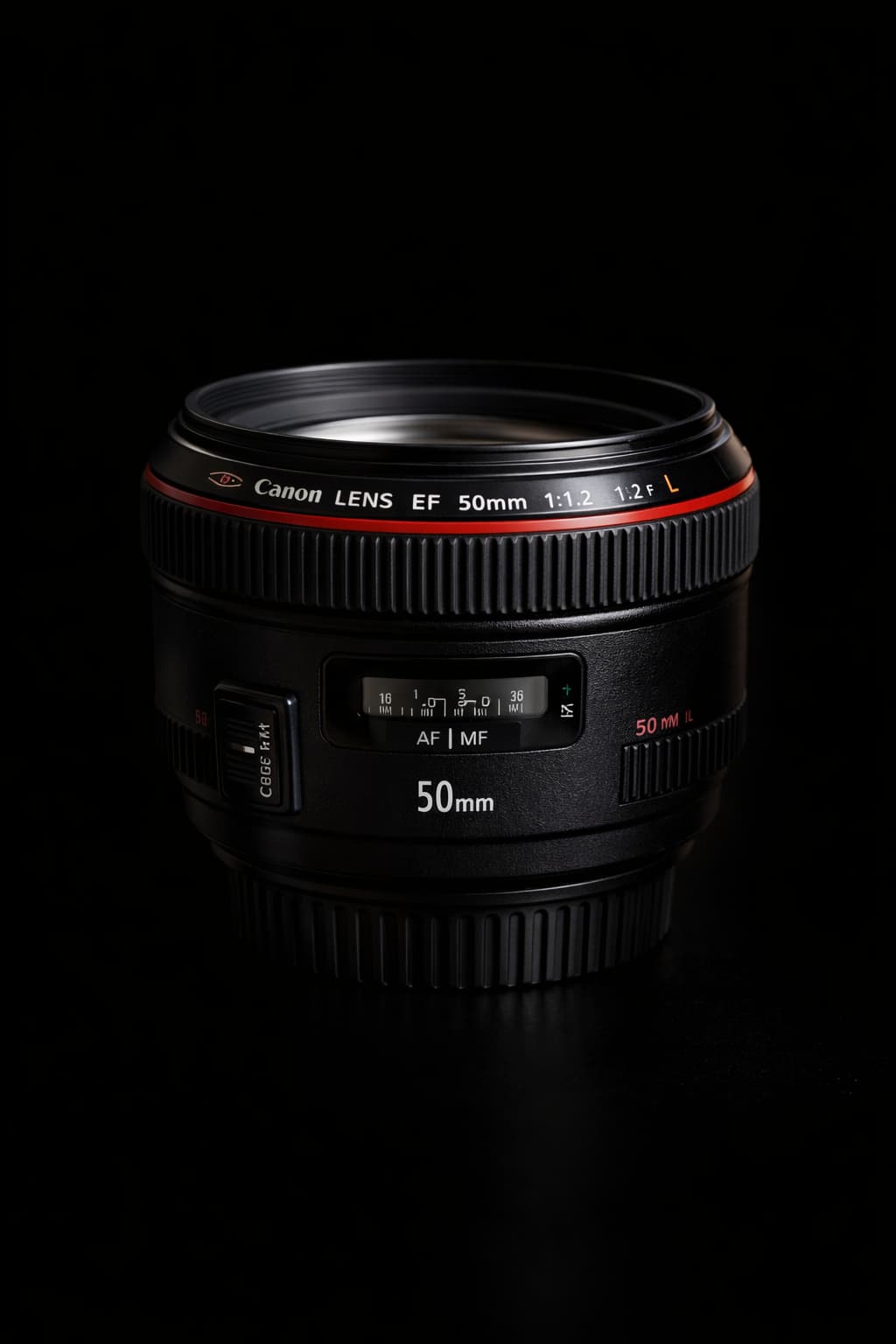
If you had to shoot an entire wedding with just one lens, what would you pick?
A lot of photographers — beginners and professionals alike — would give the same answer: 50mm.
Not because it is the newest lens. Not because it is the most expensive. But because it just works.
And that is exactly where the story gets interesting.
The Lens That Feels Natural
There is something about a 50mm lens that feels easy almost immediately. It does not exaggerate perspective the way a wide lens can, and it does not compress the scene like a telephoto. It sits in that middle ground where photos often feel believable, balanced, and close to how a moment actually looked.
That is a big reason why photographers keep returning to it. Portraits feel honest. Candid moments feel intimate. Compositions come together quickly. You do not spend much time fighting the lens. You just shoot.
Why It Became So Popular
The 50mm lens has a rare combination of strengths. It is usually compact, often affordable, and available in fast apertures like f/1.8, f/1.4, or f/1.2. That makes it attractive to beginners buying their first serious prime lens, and still attractive to experienced photographers who want speed, low-light flexibility, and clean subject separation.
It is also incredibly versatile. You can use it for portraits, couples, details, documentary-style wedding coverage, street photography, and everyday life. It may not be perfect for everything, but it is good at so many things that it becomes the default choice for a huge number of photographers.
Why photographers love 50mm: it feels natural, performs well in low light, creates strong subject separation, and works in a huge range of real-world shooting situations.
Why Professionals Still Keep It Close
Even with modern zooms and high-end mirrorless systems, the 50mm lens is still everywhere. That is not nostalgia. It is practical.
For wedding and portrait photographers, 50mm encourages a certain kind of shooting. You stay close enough to feel connected to the subject, but not so close that you distort the scene. The result is a look that feels personal without feeling forced.
That is part of why the 50mm keeps surviving every trend. It is not flashy. It is dependable.
The Hidden Downside Nobody Mentions Enough
Here is the part that matters for workflow: when a lens feels this good, you shoot more.
You take one frame, then a second, then a small variation, then one more just to be safe. The photos all look solid. None of them seem obviously bad. So the number of nearly identical frames starts building quietly in the background.
That is the hidden cost of a lens that makes shooting feel effortless.
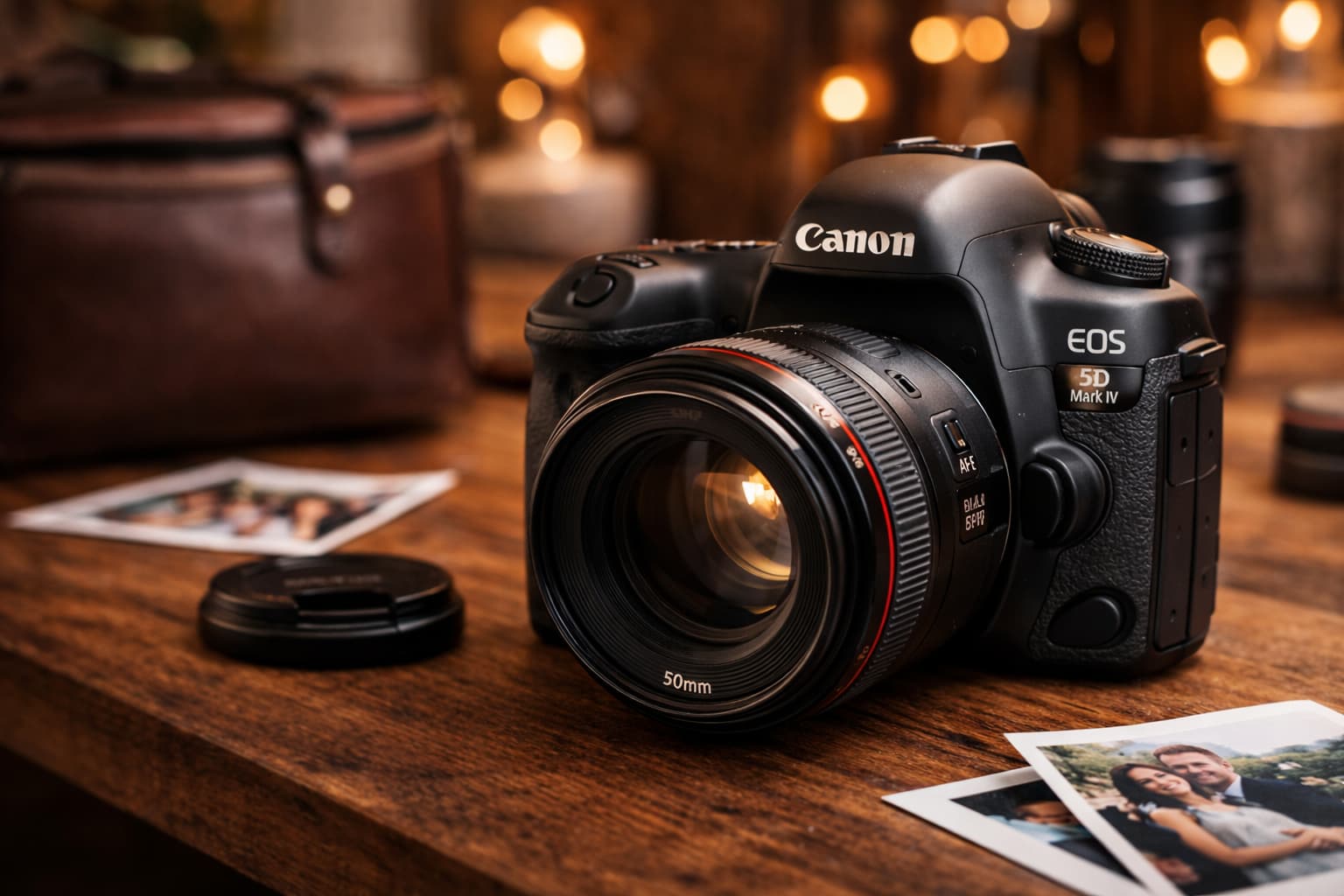
Where the Real Time Gets Lost
Most photographers do not lose the most time in editing. They lose it in deciding.
Zooming in to check sharpness. Comparing two frames that are almost identical. Looking at eyes. Checking micro-expressions. Trying to decide which of six similar shots is the one worth keeping.
That first pass through a shoot can take far longer than people expect, especially when the lens you used encouraged so much consistency and so many subtle variations.
Why This Matters in Lightroom
Inside Lightroom Classic, this is where the friction really shows up. The problem is not that the images are bad. The problem is that they are often all good enough to deserve attention. That makes the culling stage mentally expensive.
The better your shooting rhythm was, the more likely you are to end up with clusters of similar photos that need careful review. That is why photographers can finish a shoot feeling great, then sit down at the computer and suddenly feel stuck.
A Better Way to Think About the 50mm Workflow
The answer is not to stop using 50mm. And it is not to force yourself to shoot less in moments that matter. The better answer is to improve what happens after the shoot.
That means using a workflow that helps you surface stronger frames faster, catch obvious misses earlier, and spend less time zooming into every similar photo one by one.
That is exactly where FireCull fits. It is built to speed up the first pass in Lightroom Classic by helping photographers review large sets more efficiently, without changing the workflow they already know.
Speed up your first pass in Lightroom Classic
FireCull helps photographers review large shoots faster by surfacing stronger frames and flagging obvious misses early.